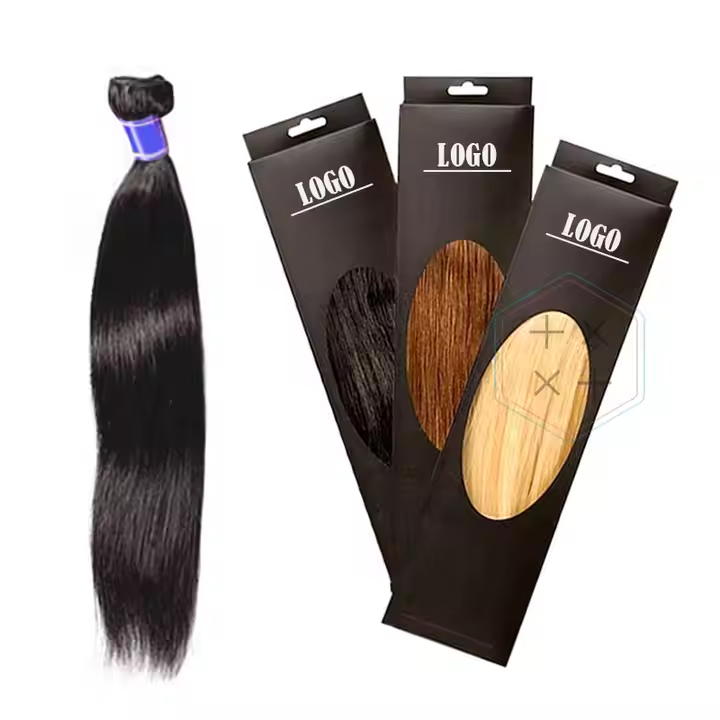
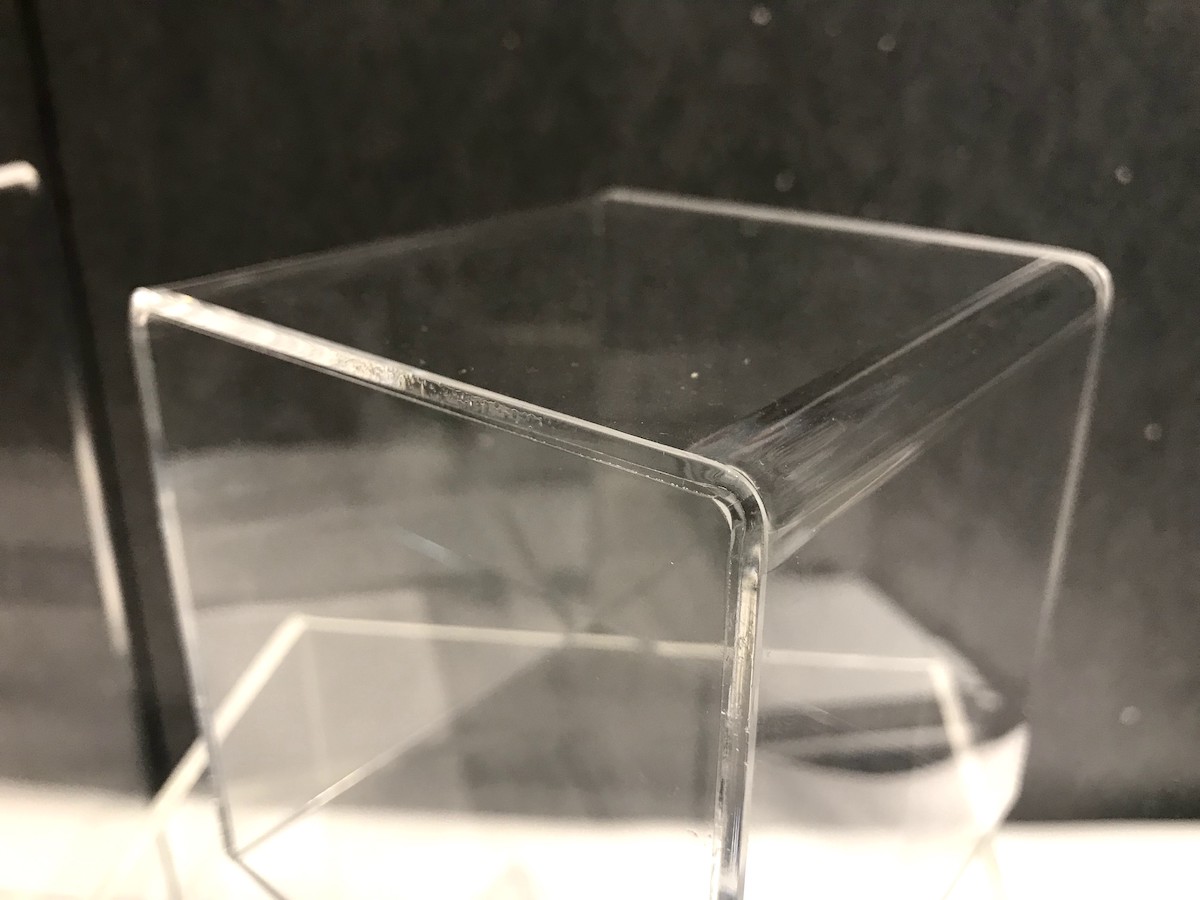
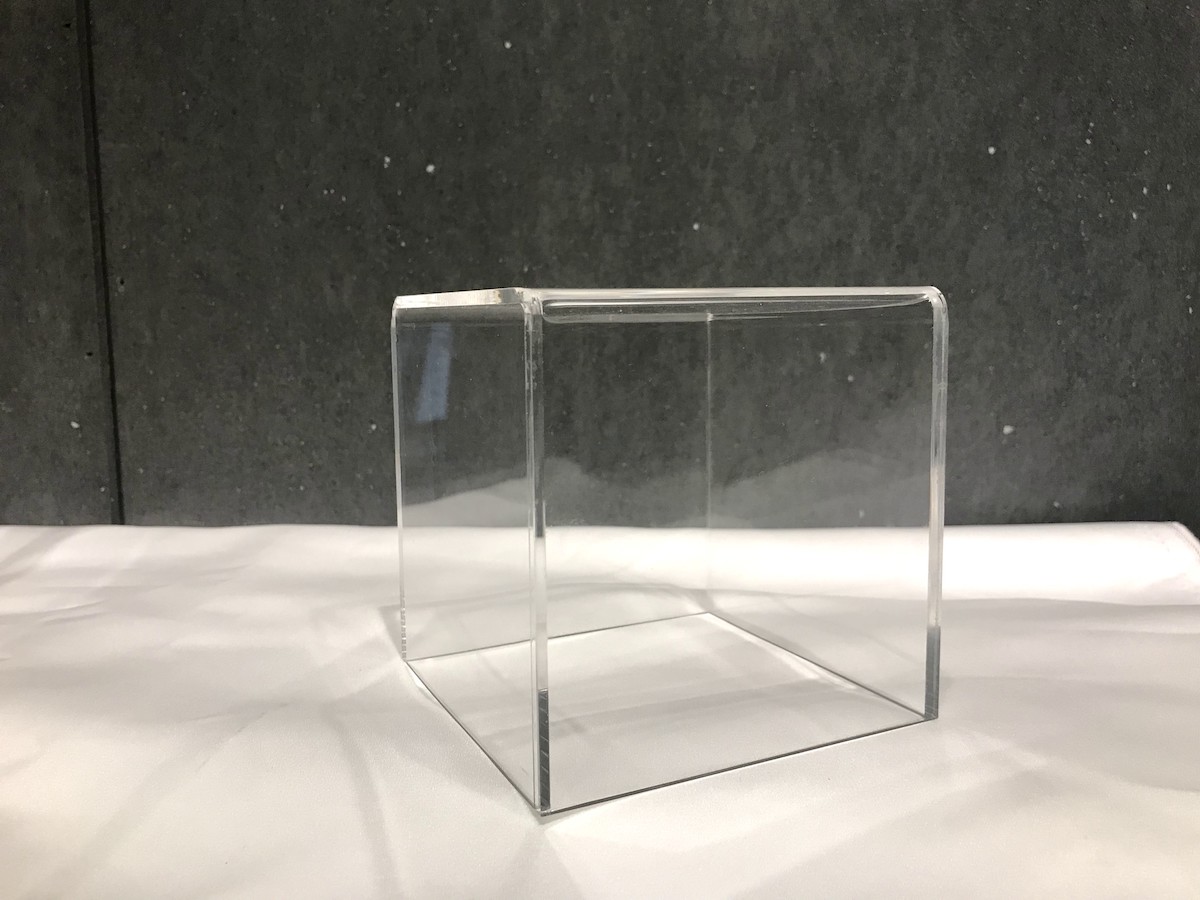
If you are a brand owner, retailer, or importer planning to order custom acrylic display stands, the quality of your brief will shape the quote, the sample, and the finished units. In a boutique, salon, jewelry counter, or department store, the stand has to frame the product, carry your brand, and survive daily handling, cleaning, and shipping.
Why brands choose custom acrylic for retail displays
Clear acrylic is popular in visual merchandising because it lets the product take center stage. A riser, tray, or counter stand can look almost invisible, which is useful for jewelry, cosmetics, fragrance, footwear, and smaller fashion accessories. It can also be cut to a brand’s exact size, tinted or frosted, and marked with a logo.
AddShopFitting designs and manufactures custom display stands for fashion, jewelry, and wig collections, including floor and countertop units, with options such as custom sizing, logo engraving or printing, and color matching.
Cast acrylic or extruded acrylic: ask which one is being quoted
“Acrylic” is not a single material. Most retail displays use one of two sheet types, and they do not behave the same way.
Cast acrylic is typically chosen for premium displays. It usually offers better optical clarity, machines and polishes cleanly, and takes engraving well. It is often the better starting point for thicker bases, polished edges, and pieces that will be handled or photographed up close.
Extruded acrylic is often more economical and can be consistent in thickness across a sheet. It is softer, so it can scratch more easily, and it may show more stress around laser-cut edges. It can still be right for simpler or higher-volume parts.
The quotation should name the type, the thickness, and the finish. If two prices differ widely for the same-looking stand, the gap is often in the sheet type or the edge work. Ask for this in writing.
Thickness, load, and structure: specify how the stand will be used
Thickness should follow the job, not a habit of ordering “the usual 5 mm.” As a general industry reference:
- Around 2–3 mm may suit light signage, small trays, or decorative panels that are not load-bearing.
- Around 5–8 mm is commonly used for countertop risers, jewelry stands, and shorter shelves.
- 10 mm and above is often used for bases, longer spans, and heavier products.
These ranges are planning guides only. The right specification depends on product weight and size, the span of any shelf, whether the unit is freestanding, countertop, or wall-mounted, and whether customers will pick the product up and put it back. Send dimensions and a realistic weight, and say if the display must be moved often. If the design mixes acrylic with metal, wood, or velvet-lined parts, say so early, because joints and fittings affect both the drawing and the cost.
Finishes and branding that should appear on the drawing
Agree on the surface, the edges, and the brand mark before sampling.
Surface and color. Clear, frosted, tinted, or solid-color acrylic each change how the product is seen. High-gloss looks sharp under store lighting but shows fingerprints; matte or frosted can hide marks. If you need a brand color, provide a Pantone or equivalent reference and ask how it will be achieved (tinted sheet, paint, or print).
Edges. Flame-polished or machine-polished edges are what most people mean by a “premium” acrylic look. A raw or scuffed edge is one of the fastest ways for a display to look cheap.
Logo and brand marks. Common methods include engraving, printing, and, on some fixtures, embossing or a fitted plate. AddShopFitting describes logo engraving, printing, and color matching as part of branded fixture work. Show the mark’s size and position on the drawing.
Combined materials. Jewelry and beauty displays often add velvet lining, metal frames, or lighting. The company’s custom display stand service mentions velvet-lined holders, tiered displays, and LED-integrated cases for jewelry. Include those features in the first brief.
What to send with your first enquiry
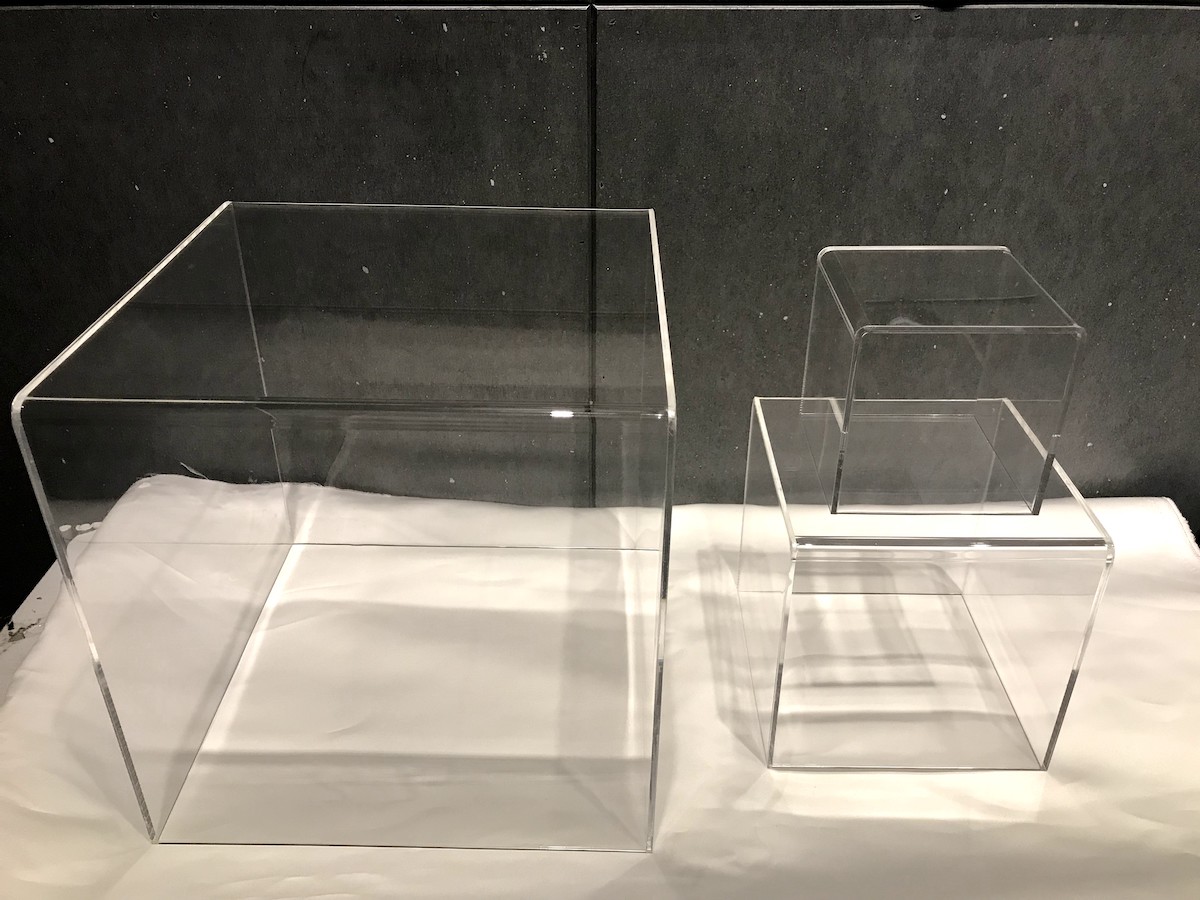
A complete brief gets a faster, more accurate quote. You do not need a perfect CAD file on day one, but the following items help:
- Purpose. Jewelry tray, shoe riser, fragrance organizer, countertop unit, wall shelf, or floor stand.
- Product information. Photos, dimensions, and weight of the items on the stand.
- Size and quantity. Overall width, depth, and height, plus how many units you need now and whether more stores will follow.
- Drawings or references. A dimensioned sketch, PDF, or reference photo is enough to start.
- Brand guidelines. Logo files and color references.
- The retail setting. Counter, window, wall, floor, salon station, or exhibition booth, including any tight depth or height limits.
- Destination and packing. The country or countries of delivery, and whether units must be packed individually for store teams.
AddShopFitting states that it supports startups and larger businesses, offers flexible minimum order quantities, and has an in-house design and quality control team. If you only have a concept, say so: the published workflow starts with consultation, then a design proposal with renderings, materials, and layout options.
Questions to ask before you approve production
Treat the sample as a working test, not just a visual check. Sit the real product on it, wipe the surface, and inspect the edges under store-like light. Then confirm these points in writing:
- Is the sheet cast or extruded, and what thickness will be used in mass production?
- How will edges and surfaces be finished, and will production match the sample?
- How is the logo applied, and is there a tolerance for position and color?
- What is included in the sample cost, and is any of that cost credited if you proceed?
- How long does a prototype usually take, and how long does mass production take after approval?
- What is the minimum order quantity for this design? AddShopFitting describes its MOQs as flexible and refers to production runs from 100 to 10,000 units as a scale it can handle. That is a capacity statement, not a quoted MOQ for your item.
- How will units be packed for export, and who handles shipping, insurance, and import clearance?
- What quality checks are done before shipment, and what happens if a unit arrives damaged?
Custom or personalized items are typically made to order. AddShopFitting’s refund and returns policy states that custom or personalized goods are exempt from standard returns, so the sample and packing method should be locked before full production.
From brief to shipment
On its end-to-end customization page, AddShopFitting describes five stages: consultation; a design proposal with renderings, materials, and layout options; a sample or prototype; production with quality control; and custom packaging with international shipping. The company is based in Taipei, Taiwan, and states that it has more than 25 years of experience, with export experience across Europe, the Middle East, Japan, and Southeast Asia.
If you already have drawings, ask for a quotation and a sample plan. If the concept is still open, ask for a design discussion first. Prepare the product size, a rough drawing or reference photo, logo and color references, and the quantity you need, then send the brief through the quote page or the contact form.